
Tenemos que hablar de Castellucci
Maijo Pazos, 2023
sobre / about


Datos técnicos. / Technical details.
Duración
>60'
Duration
>60'
Personajes
4
Characters
4
Actrices
2
Actresses
2
Actores
2
Actors
2
Público
Adulto
Audience
Adult
Formato
Mediano
Format
Medium
Sinopsis. / Synopsis.
Volvemos a Chéjov… ¿Otra vez La gaviota? ¿No se han hecho suficientes versiones ya? Pues sí, pero aquí nos encontramos, en este escenario, atrapados por el eterno lago, el susurro de los tilos, la vaporosa falda de Nina, el olor a azufre… mientras nos parece escuchar el sonido de un vals melancólico a lo lejos. ¡Por fin esta tarde empezamos el ensayo! El autor de esta versión libre de La gaviota, nos ha dado instrucciones concretas y nos ha contado con entusiasmo que quiere algo diferente, fresco y posdramático. Que nos olvidemos de actuar, que nos dejemos llevar, que busquemos códigos más allá del texto, que nos volvamos locos, que hagamos participe al público, en definitiva, que sea una experiencia única para el espectador de hoy. Y otra cosa fundamental: que tengamos presentes las palabras de R. Castellucci cuando dijo “El teatro no puede ser un hábito porque cae en lo decorativo”.
We return to Chekhov… The Seagull again? Haven’t there already been enough versions? Well, yes—but here we are, on this stage, caught by the eternal lake, the whisper of the lime trees, Nina’s airy skirt, the smell of sulphur… while we seem to hear the sound of a melancholic waltz in the distance. At last, this afternoon we begin rehearsals! The author of this free version of The Seagull has given us precise instructions and enthusiastically told us that he wants something different, fresh and postdramatic. That we should forget about acting, let ourselves go, search for codes beyond the text, go mad, involve the audience—in short, that it should be a unique experience for today’s spectator. And one more essential thing: that we keep in mind the words of R. Castellucci when he said, “Theatre cannot be a habit, because it falls into the decorative.”
Notas. / Notes on the piece.
La primera obra de teatro que leí fue La gaviota de A. Chéjov. Al principio pensé: "Menudo rollazo, aquí no pasa nada" pero luego entendí que pasaba todo. Lo que nos ocurre a todos está al lado de ese lago, entre los papeles arrugados que desecha Tréplev, al compás del trote de los caballos, y en el aroma que desprende el pelo de Nina. Nuestro corazón sufre y se encoge como el de Masha, nuestros anhelos son los suyos. Me fasciné tanto con esta obra, que empecé a leer todo sobre el autor: libros de relatos, cuentos, artículos sobre su relación con Stanislavski, cartas, críticas teatrales, cuadernos de notas... Esta obra habla de teatro, de lo que significa hacer un montaje, de lo difícil que es que un grupo de personas se junten para hacer algo tan maravilloso en un escenario. Mi Chéjov, mi muy querido Chéjov... Le debía un homenaje.
The first play I ever read was The Seagull by A. Chekhov. At first I thought, “What a bore—nothing happens here,” but then I understood that everything happens. What happens to all of us is there by that lake, among the crumpled pages Treplev throws away, to the rhythm of trotting horses, and in the scent of Nina’s hair. Our hearts ache and tighten like Masha’s; our longings are hers. I became so fascinated by this play that I began to read everything about the author: collections of stories, short fiction, articles about his relationship with Stanislavski, letters, theatre reviews, notebooks… This play speaks about theatre—about what it means to create a production, about how difficult it is for a group of people to come together to make something so wonderful on stage. My Chekhov, my very dear Chekhov… I owed him a tribute.
Otros datos. / Other information.
Estreno: Nave 73, Madrid
sobre / about


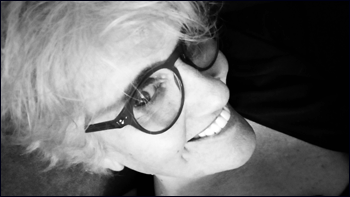
Biografía. / Biography.
Es autora, directora de teatro, creadora escénica, docente, escenógrafa, gestora cultural. Licenciada en Sociología y Ciencias Políticas. Siente que el teatro la ha acompañado desde que recuerda, cuando construía teatrillos de cartón con las cajas del almacén de su padre. En ese deambular teatral, se ha formado en Cuarta Pared con Marcelo Díaz, con el director David Amitín, con Pablo Gisbert (La Veronal) Pilar Almansa (Nave 73), Arrieritos (Compañía de Danza), Santiago García (La Candelaria Colombia) Espacio Escénico con Ángeles Císcar, dramaturgia con Raúl Hernández Garrido, Verso con Ernesto Arias, Nuevas Tecnologías aplicadas a las artes escénicas con Diego Palacio (EIG) entre otros.
She is a playwright, theatre director, stage creator, teacher, set designer and cultural manager. She holds a degree in Sociology and Political Science. She feels that theatre has accompanied her for as long as she can remember, since she used to build little cardboard theatres with boxes from her father’s warehouse. Throughout this theatrical journey, she has trained at Cuarta Pared with Marcelo Díaz, with director David Amitín, with Pablo Gisbert (La Veronal), Pilar Almansa (Nave 73), Arrieritos (Dance Company), Santiago García (La Candelaria, Colombia), Espacio Escénico with Ángeles Císcar, dramaturgy with Raúl Hernández Garrido, verse with Ernesto Arias, and New Technologies applied to the performing arts with Diego Palacio (EIG), among others.
Escritura. / Style.
Ha adaptado textos de diferentes autores Shakespeare, Chéjov, Peter Weiss, así como textos cortos e infantiles, hasta que se anima a escribir su primera obra teatral "Tenemos que hablar de Castellucci", versión libre de La Gaviota de A. Chéjov. Destaca su pasión por lo meta-teatral, mostrar aquello que el espectador no ve, o que de manera intencionada le ocultamos. En sus obras no hay telones, ni biombos, todo a la vista: un desconchón en una pared, las tuberías del aire acondicionado, cables, y restos de bridas de otros montajes. Le gusta hablar de lo que hacemos en los escenarios, actores y actrices, regidores y técnicos. Hay un punto que siempre invita a la reflexión ¿Hacia dónde vamos con esto del teatro? ¿Y si nos volvemos locas?
She has adapted texts by a range of authors, including Shakespeare, Chekhov and Peter Weiss, as well as short and children’s pieces, before going on to write her first play, Tenemos que hablar de Castellucci, a free version of The Seagull by A. Chekhov. Her work is marked by a passion for the meta-theatrical: revealing what the audience does not see, or what is deliberately concealed from them. In her productions there are no curtains or screens—everything is exposed: a flaking wall, air-conditioning pipes, cables, and leftover cable ties from previous productions. She is interested in talking about what we do on stage—actors, stage managers and technicians alike. There is always a question that invites reflection: where are we heading with this thing we call theatre? And what if we lose our minds?
Obras. / Plays.
-
2023. TENEMOS QUE HABLAR DE CASTELLUCCI
-
Nave 73, Madrid
-
Leyenda / Legend
-
Estreno / Premio / Beca / Publicación
Premiere / Award / Grant / Publication
Premiere / Award / Grant / Publication
