Antígona
Alejandro Nieto, 2024
sobre / about


Datos técnicos. / Technical details.
Duración
>60'
Duration
>60'
Personajes
6-10
Characters
6-10
Actrices
3
Actresses
3
Actores
2
Actors
2
Público
Adulto
Audience
Adult
Formato
Pequeño
Format
Small
Sinopsis. / Synopsis.
Los hermanos Eteocles y Polinices se dan muerte mutuamente en una guerra civil que devasta el país. Tras el conflicto, Creonte (general del ejército y nuevo alcalde de la ciudad) decreta que se entierre a Eteocles como un héroe caído en combate, y prohíbe que el cadáver de Polinices reciba ningún tipo de sepultura. Antígona, hermana de los dos difuntos, se opone a la medida de Creonte, ya que considera que su hermano Polinices merece el mismo entierro que cualquier otro ser humano. La desobediencia de la joven, que tratará por todos los medios posibles enterrar a su hermano, desatará la furia de Creonte, lo que conducirá a ambos a un devastador conflicto que arrasará con todo lo que se interponga a su paso.
The brothers Eteocles and Polynices kill each other in a civil war that devastates the country. After the conflict, Creon—general of the army and newly appointed mayor of the city—orders Eteocles to be buried as a hero fallen in battle, while forbidding any form of burial for the body of Polynices. Antigone, sister to both of the deceased, opposes Creon’s decree, believing that her brother Polynices deserves the same burial as any other human being. The young woman’s defiance, as she attempts by every possible means to bury her brother, unleashes Creon’s fury, leading both into a devastating conflict that will destroy everything standing in its path.
Notas. / Notes on the piece.
“Antígona” es el clásico por antonomasia de la historia del teatro occidental. Su historia ha sido versionada en innumerables ocasiones, constituyendo el punto de referencia la versión de Sófocles del siglo V a. C. El triunfo de este texto radica en su capacidad para abordar un tema universal: ¿cómo debe resolverse el choque entre la moral del individuo y las leyes que gobiernan una determinada sociedad? Consciente de las innumerables versiones que existen de dicho texto, esta versión proporciona un nuevo punto de vista: ¿qué ocurriría si Antígona supiera que ésta no es la primera vez que se ha contado su historia? ¿Existiría la posibilidad de que las cosas ocurrieran de forma diferente? Todo ello, además, se traslada a un nuevo escenario: la Europa del siglo XX inmediatamente posterior a la Segunda Guerra Mundial.
Antígona is the quintessential classic in the history of Western theatre. Its story has been adapted countless times, with Sophocles’ 5th-century BCE version standing as the central point of reference. The enduring power of the text lies in its ability to address a universal question: how should the conflict between individual morality and the laws governing a society be resolved? Aware of the many existing versions of the play, this adaptation offers a new perspective: what if Antigone knew that this was not the first time her story had been told? Might there be a possibility for things to unfold differently? All of this is relocated to a new setting: Europe in the aftermath of the Second World War.
Otros datos. / Other information.
Estreno: Teatro Moderno, Chiclana
sobre / about


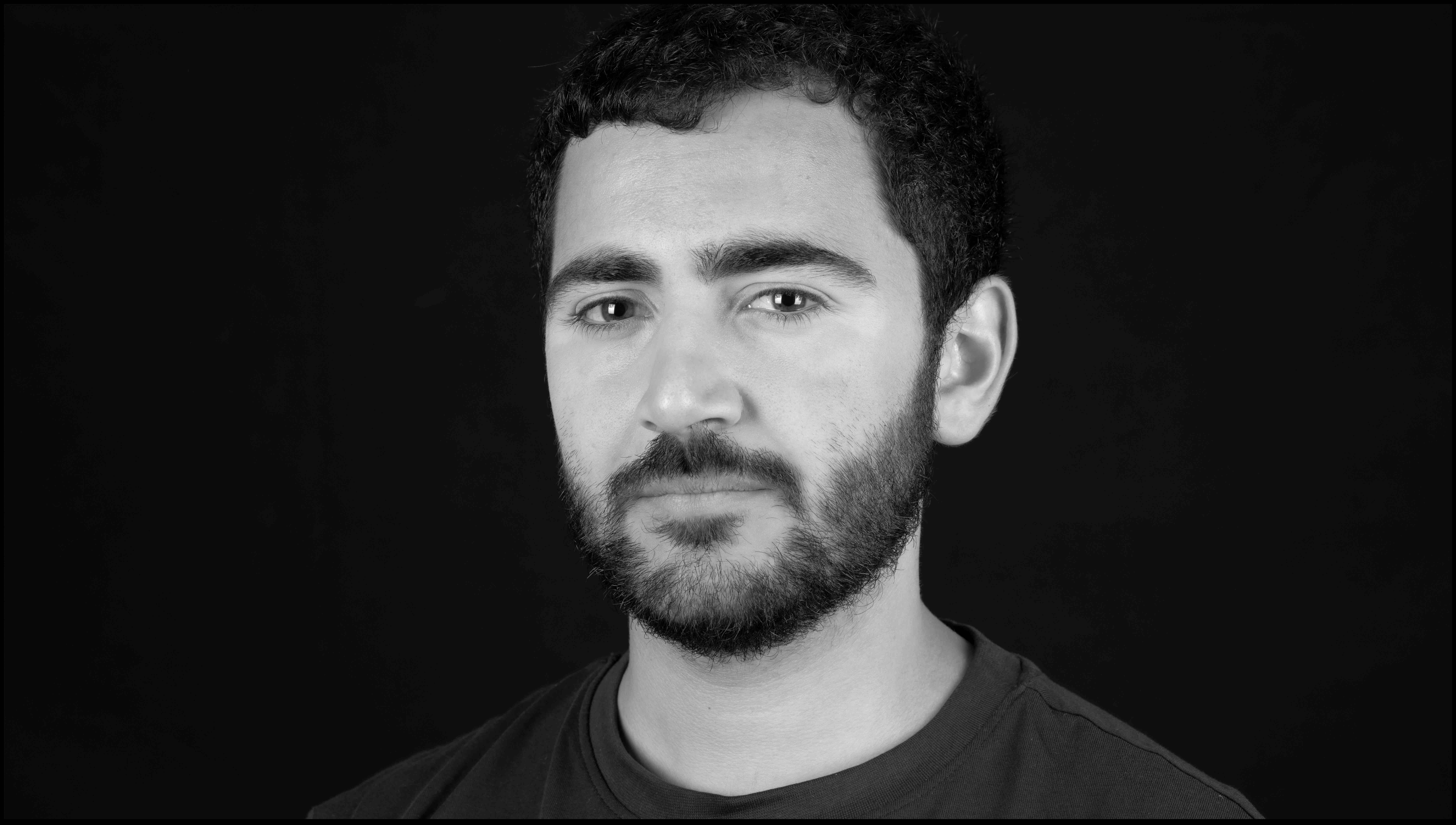
Biografía. / Biography.
Alejandro Nieto es actor, dramaturgo y director de teatro. Fundó la compañía Crisantemo Teatro en 2018 y ha dirigido más de una decena de espectáculos (entre ellos, “Yerma”, “Antígona” o “La gaviota”), destacándose por su capacidad para actualizar clásicos del repertorio dramático y acercar nuevas audiencias al teatro. Ha recibido formación por parte de diferentes profesionales de las artes escénicas y, en la actualidad, se encuentra cursando los estudios de Dirección Escénica en la Real Escuela Superior de Arte Dramático (Madrid). Además de ello, es Doctor en Derecho con la tesis “La autoría fantasma”, en la que estudió el fenómeno de la contratación de autores para que creen obras por encargo que, posteriormente, serán comercializadas bajo el nombre de un tercero. Asimismo, ha obtenido diversos premios a la dirección y a la dramaturgia por los espectáculos que ha dirigido.
Alejandro Nieto is an actor, playwright and theatre director. He founded the company Crisantemo Teatro in 2018 and has directed more than a dozen productions—including Yerma, Antígona and La gaviota—standing out for his ability to update dramatic classics and bring new audiences closer to theatre. He has trained with various performing arts professionals and is currently studying Stage Directing at the Royal School of Dramatic Arts in Madrid. In addition, he holds a PhD in Law with the dissertation Ghost Authorship, in which he examined the phenomenon of hiring writers to create commissioned works that are later marketed under someone else’s name. He has also received several awards for directing and playwriting for the productions he has staged.
Escritura. / Style.
«Concibo el teatro, fundamentalmente, como un vehículo para que contemos historias en comunidad, tal y como debieron de hacerlo algún día nuestros antepasados alrededor del fuego. Historias que nos ayuden tanto a comprendernos a nosotros mismos como a la realidad que nos rodea. Aspiro, en definitiva, a escribir un teatro que brinde a los demás una brújula con la que, llegado el caso, puedan orientarse en sus propias vidas. Por ello, creo en un teatro habitado por personajes profundamente humanos y complejos, que sean un reflejo de nuestros propios anhelos, errores e imperfecciones. Además, creo en una dramaturgia joven y refrescante, dispuesta a señalar el elefante en la habitación, que pique, que conmueva y que, sobre todo, sea capaz de generar preguntas.» (Alejandro Nieto).
«I conceive theatre, above all, as a vehicle through which we tell stories in community, much as our ancestors must once have done around a fire. Stories that help us understand both ourselves and the reality that surrounds us. Ultimately, I aspire to write theatre that offers others a compass with which, when needed, they may find their way through their own lives. For this reason, I believe in a theatre inhabited by deeply human and complex characters, reflecting our own desires, mistakes and imperfections. I also believe in a young and refreshing dramaturgy, willing to point out the elephant in the room, to provoke, to move, and above all, to generate questions.» (Alejandro Nieto).
Obras. / Plays.
-
2025. LA GAVIOTA
-
Teatro Moderno, Chiclana, 2025
-
2024. ANTÍGONA
-
Teatro Moderno, Chiclana
-
2021. EL TRONO
-
Anfiteatro Zahora, Barbate
-
2020. UN ENEMIGO DEL PUEBLO
-
Sala Paúl, Jerez de la Frontera
-
2017. HIPÓLITA Y FEDRA
-
Segundo accésit de "Teatro Breve", XVI Certamen de Teatro "Dramaturgo José Moreno Arenas"
XVI Certamen de Teatro "Dramaturgo José Moreno Arenas", Ediciones Carena, 2025
-
Leyenda / Legend
-
Estreno / Premio / Beca / Publicación
Premiere / Award / Grant / Publication
XVI Certamen de Teatro "Dramaturgo José Moreno Arenas", Ediciones Carena, 2025
Premiere / Award / Grant / Publication