El trono
Alejandro Nieto, 2021
sobre / about


Datos técnicos. / Technical details.
Duración
30'-60'
Duration
30'-60'
Personajes
5
Characters
5
Actrices
3
Actresses
3
Actores
2
Actors
2
Público
Adulto
Audience
Adult
Formato
Pequeño
Format
Small
Sinopsis. / Synopsis.
El Olimpo, hogar de los dioses, es perturbado por la llegada de un misterioso e inesperado visitante: Hefesto. El recién llegado asegura ser el herrero de los dioses y traer un obsequio forjado por él mismo para Hera, la reina de los dioses. Si bien el resto de dioses desconfiaran de las intenciones del herrero, Hera acepta el regalo al ver que se trata de un trono concebido para ensalzar su gloria. Sin embargo, cuando la reina de los dioses se sienta en el mismo descubre que no puede volver a levantarse. En ese momento, Hefesto le revelará que todo forma parte de una venganza que lleva preparando contra ella desde hace mucho tiempo. Aflorarán antiguas rencores, se reabrirán viejas heridas, se confesarán terribles secretos... Todo se removerá en el reino y en los corazones de los dioses con tal de conseguir liberar a Hera de su encierro.
Olympus, home of the gods, is thrown into turmoil by the arrival of a mysterious and unexpected visitor: Hephaestus. The newcomer claims to be the blacksmith of the gods and to bring a gift forged by his own hands for Hera, queen of the gods. Although the other gods distrust the blacksmith’s intentions, Hera accepts the gift when she sees that it is a throne designed to exalt her glory. However, the moment the queen of the gods sits upon it, she discovers that she cannot rise again. It is then that Hephaestus reveals that everything is part of a revenge he has been plotting against her for a very long time. Old resentments resurface, ancient wounds are reopened, terrible secrets are confessed… Everything in the kingdom—and in the hearts of the gods—will be shaken in the desperate attempt to free Hera from her imprisonment.
Notas. / Notes on the piece.
“El trono” es una tragedia original que hunde sus raíces en el mito griego de Hefesto para dialogar con algunas de las preguntas más antiguas (y, aun así, vigentes) del ser humano. La obra construye un relato sobre el dolor, el peso de los errores que arrastramos y la posibilidad del perdón, explorando cómo el mismo puede convertirse en una vía para seguir adelante.
El trono is an original tragedy that draws on the Greek myth of Hephaestus to engage with some of humanity’s oldest (and still relevant) questions. The play constructs a narrative about pain, the burden of the mistakes we carry, and the possibility of forgiveness, exploring how forgiveness itself can become a path to move forward.
Otros datos. / Other information.
Estreno: Anfiteatro Zahora, Barbate
sobre / about


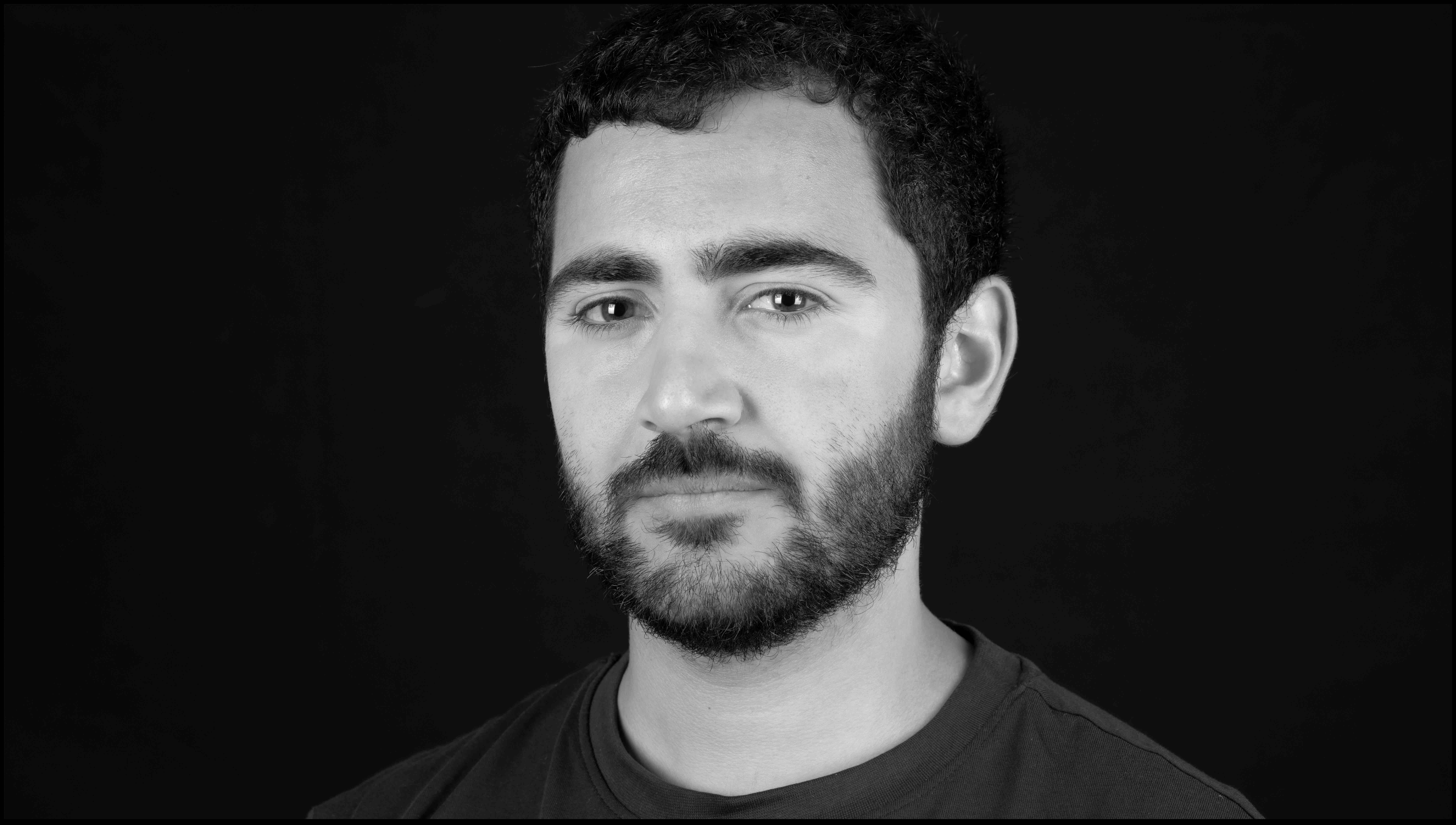
Biografía. / Biography.
Alejandro Nieto es actor, dramaturgo y director de teatro. Fundó la compañía Crisantemo Teatro en 2018 y ha dirigido más de una decena de espectáculos (entre ellos, “Yerma”, “Antígona” o “La gaviota”), destacándose por su capacidad para actualizar clásicos del repertorio dramático y acercar nuevas audiencias al teatro. Ha recibido formación por parte de diferentes profesionales de las artes escénicas y, en la actualidad, se encuentra cursando los estudios de Dirección Escénica en la Real Escuela Superior de Arte Dramático (Madrid). Además de ello, es Doctor en Derecho con la tesis “La autoría fantasma”, en la que estudió el fenómeno de la contratación de autores para que creen obras por encargo que, posteriormente, serán comercializadas bajo el nombre de un tercero. Asimismo, ha obtenido diversos premios a la dirección y a la dramaturgia por los espectáculos que ha dirigido.
Alejandro Nieto is an actor, playwright and theatre director. He founded the company Crisantemo Teatro in 2018 and has directed more than a dozen productions—including Yerma, Antígona and La gaviota—standing out for his ability to update dramatic classics and bring new audiences closer to theatre. He has trained with various performing arts professionals and is currently studying Stage Directing at the Royal School of Dramatic Arts in Madrid. In addition, he holds a PhD in Law with the dissertation Ghost Authorship, in which he examined the phenomenon of hiring writers to create commissioned works that are later marketed under someone else’s name. He has also received several awards for directing and playwriting for the productions he has staged.
Escritura. / Style.
«Concibo el teatro, fundamentalmente, como un vehículo para que contemos historias en comunidad, tal y como debieron de hacerlo algún día nuestros antepasados alrededor del fuego. Historias que nos ayuden tanto a comprendernos a nosotros mismos como a la realidad que nos rodea. Aspiro, en definitiva, a escribir un teatro que brinde a los demás una brújula con la que, llegado el caso, puedan orientarse en sus propias vidas. Por ello, creo en un teatro habitado por personajes profundamente humanos y complejos, que sean un reflejo de nuestros propios anhelos, errores e imperfecciones. Además, creo en una dramaturgia joven y refrescante, dispuesta a señalar el elefante en la habitación, que pique, que conmueva y que, sobre todo, sea capaz de generar preguntas.» (Alejandro Nieto).
«I conceive theatre, above all, as a vehicle through which we tell stories in community, much as our ancestors must once have done around a fire. Stories that help us understand both ourselves and the reality that surrounds us. Ultimately, I aspire to write theatre that offers others a compass with which, when needed, they may find their way through their own lives. For this reason, I believe in a theatre inhabited by deeply human and complex characters, reflecting our own desires, mistakes and imperfections. I also believe in a young and refreshing dramaturgy, willing to point out the elephant in the room, to provoke, to move, and above all, to generate questions.» (Alejandro Nieto).
Obras. / Plays.
-
2025. LA GAVIOTA
-
Teatro Moderno, Chiclana, 2025
-
2024. ANTÍGONA
-
Teatro Moderno, Chiclana
-
2021. EL TRONO
-
Anfiteatro Zahora, Barbate
-
2020. UN ENEMIGO DEL PUEBLO
-
Sala Paúl, Jerez de la Frontera
-
2017. HIPÓLITA Y FEDRA
-
Segundo accésit de "Teatro Breve", XVI Certamen de Teatro "Dramaturgo José Moreno Arenas"
XVI Certamen de Teatro "Dramaturgo José Moreno Arenas", Ediciones Carena, 2025
-
Leyenda / Legend
-
Estreno / Premio / Beca / Publicación
Premiere / Award / Grant / Publication
XVI Certamen de Teatro "Dramaturgo José Moreno Arenas", Ediciones Carena, 2025
Premiere / Award / Grant / Publication